Augmented reality startup Magic Leap wants to merge the digital and the physical worlds.
In October, Magic Leap first shared the idea of the “Magicverse,” a series of digital layers that would exist in AR over the physical world.
The company elaborated on the concept with a blog post and new interview — and its vision of the future is one in which the line between the physical and digital realms blurs until it almost disappears:
_______________
In 2018, the Magic Leap team introduced the concept of the Magicverse. One of the inspiration points for the company’s vision was Walt Disney’s Experimental Prototype Community of Tomorrow, an unfinished concept he was developing before he died. His vision was one of unbridled optimism, possibility, and emerged during the great space race to the moon in the 1960s. One of his ideas, a “real city that would never cease to be a blueprint of the future” now has the opportunity to take flight and come to life all around the world, writes the company on its website.
The Magicverse is an Emergent System of Systems bridging the physical with the digital, in a large scale, persistent manner within a community of people. The Magicverse is dynamic, alive, and a home for the endless creative expressions of human life. It can also become a fabric that binds a community together through shared public services. Spatial computing creates the power of place, of physicality with digital together. The Magicverse of a specific place (ex: a city) also defines a communal value for the digital resources of that place and community, in the same way that a physical place may important natural resources and geography. The Magicverse also evokes a paradox of place, an idea first raised by Dr. Julio Frenk, President of the University of Miami, in that spatial computing can amplify the reach, presence, and economic strength of a physical place well beyond its limited physical geography.
One of the conditions to enable the Magicverse is the hundreds of billions of dollars of new infrastructure to create high-speed network & edge computing zones in modern cities across many countries. 5G (and what follows it) are major components of what feels like a new, spatial internet.

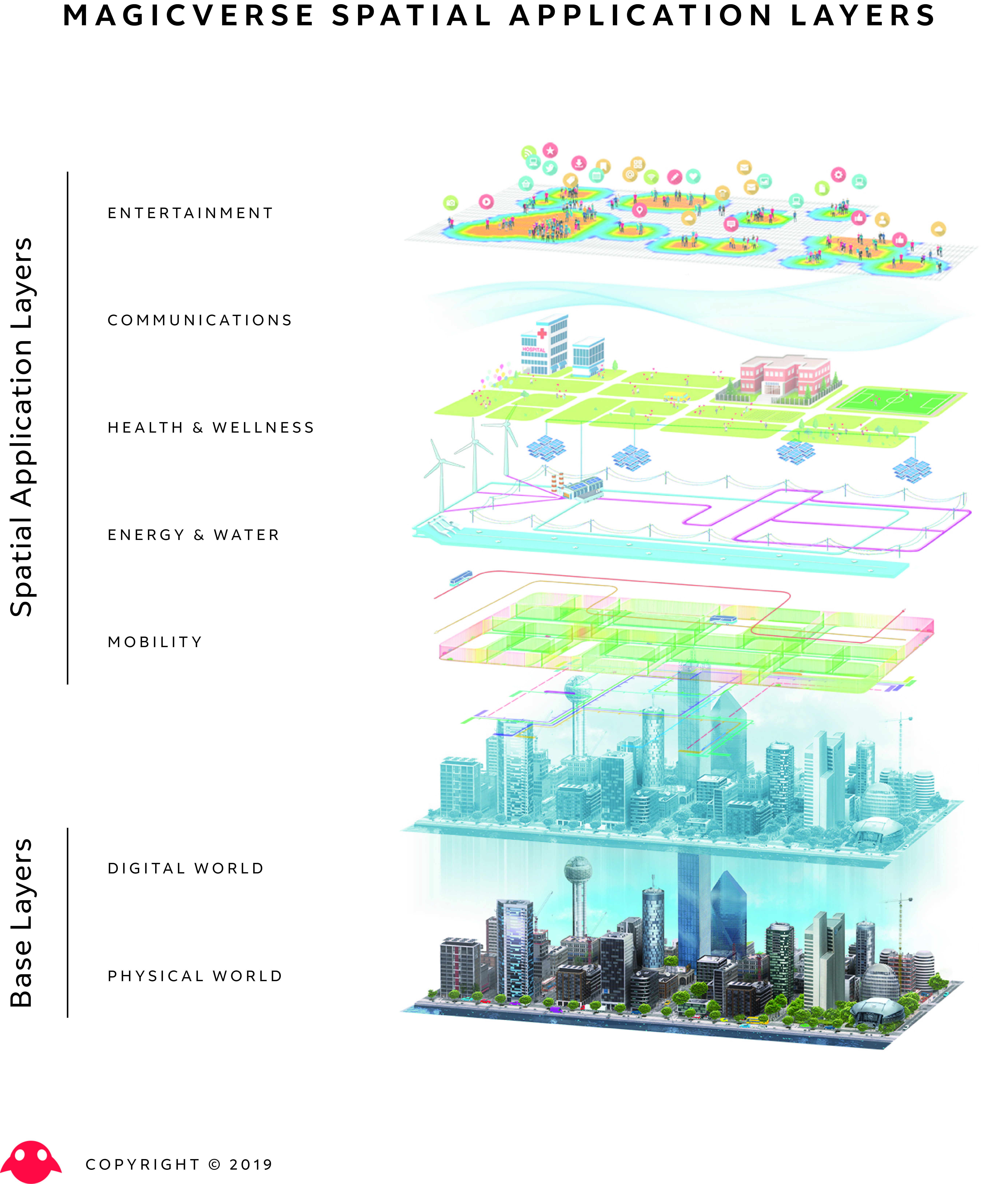
Figure 1 – Magicverse With Spatial Computing Layers
Magic Leap will be an open platform that is device agnostic, XR compliant, and IoT interoperable. This means that billions of devices will become windows into the spatial digital world, including the devices Magic Leap makes today and the ones the company are developing for the future.
Within the Magicverse, vehicles, devices, IOT, sensing, and spatial computing will combine to form ever-changing and growing capabilities and experiences for the inhabitants of a Magicverse – including those who may only appear as a digitally co-present. Magicverse scales from room level, to building, city, country and world scale. Data, information and experiences within these environments are unlocked from screens and servers to persist at scale in contextually relevant physical environments. It supports individuals and enterprises across an exhaustive set of applications and use cases that naturally deserve to exist spatially in harmony with our physical environments.
The enormous rivers of data created by the Magicverse, including the community within, require special safeguards and protections to prevent abuse and misuse. At Magic Leap, we added Respect as a fundamental and important requirement of spatial computing – which means putting people in the center, and respecting fundamental human rights to freedom, privacy, health, diversity, inclusion, and joy. The company is working on both policies and new architectures to define how such massive and critical data can and should be protected. Companies and service providers with scaled, legacy business models built on being data-centric or direct monetization of user data will not be able to deliver on the promise of respect that the cititzens of Magicverse require and deserve. The policy task is one that should and will be developed in a transparent and public manner, and be in harmony with the regulations that define public good.